

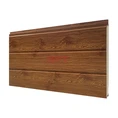
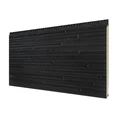
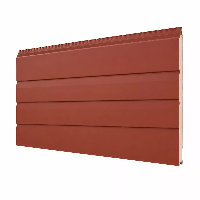
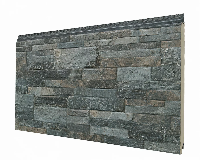

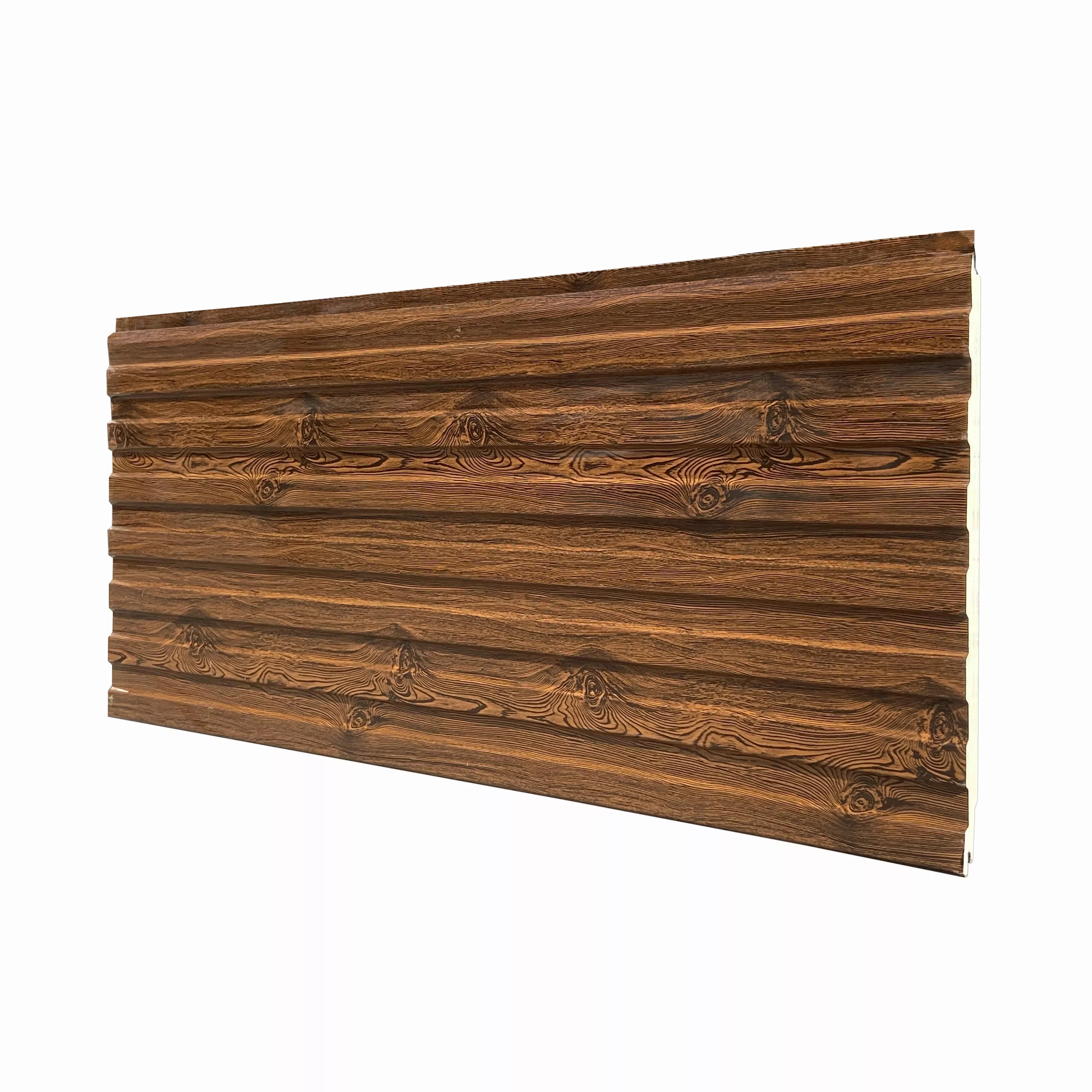


The panels are a high-quality product designed for exterior wall decoration. Here are the key features and advantages of our product:
Diverse Design Options: The panels offer a wide range of designs and textures, including stone-like patterns, wood-like patterns, geometric patterns, and more. This allows for customization to meet different styles and design preferences, and serves the purpose of wall decoration as well. They bring a unique appearance and personalized design to the exterior walls of a building. Decorative wall paneling is commonly used in both residential and commercial settings to add style, texture, and visual interest to the walls.
Weather Resistance: Our wall panels are manufactured using high-quality materials and have excellent weather resistance. They can withstand sunlight, rain, wind, and pollutants, maintaining their beauty and durability over a long period.
easy to install: Our wall panels feature a convenient and efficient installation system, making the installation process quick and simple. Whether it's professional installers or individual users, they can easily install and dismantle the panels.
Environmentally Friendly: The panels are made from environmentally friendly materials that meet relevant environmental standards. They are free from harmful substances and have no negative impact on the environment or human health.
Easy Maintenance: The smooth and flat surface of our wall panels resists dust and stains. Regular cleaning and maintenance are all that's needed to keep them looking beautiful and in top condition.
The panels are suitable for a variety of architectural projects, including residential buildings, commercial buildings, hotels, villas, and more. Whether for new construction or renovation, they add unique decorative effects and visual appeal to your buildings.
For complete technical specs and 2026 new designs, visit our Metal Siding Panels catalog.
Product Specification
|
|
Thickness: The thickness is generally 16mm or 20mm. If customized, the minimum is 14mm and the maximum is 25mm |
|
The thickness of the metal substrate |
0.27MM |
|
Polyurethane density |
35-40KG/m³ |
|
Coefficient of thermal conductivity |
0.022W/M-K |
|
Combustion performance |
B |
|
Color design |
More than 100 colors and patterns |
|
After-sale Service |
Online technical support, on-site Installation, on-site Training, on-site Inspection, and other |
|
Project Solution Capability |
graphic design, total solution for projects, Cross-Category Consolidation, Others |
|
Application |
Villa courtyard warehouse plant |
|
Design Style |
traditional, modern minimalist industry |
|
Place of Origin |
China |
|
Shandong |
|
|
Panel Material |
Metal |
|
Application |
External wall warehouse villa workshop |
|
Core material |
PU Polyurethane 40kg/m3 |
|
Usage |
Industrial Building |
|
Material |
Metal+PU Foam+Aluminum Foil |
|
Advantage |
Heat preservation, fire prevention, and beautiful appearance |
|
Color |
Customer Request |
|
Surface material |
Color-coated Coated Galvanized sheet |
Product Structure

The panels consist of a three-layer structure, with each layer serving a specific purpose:
1. Outer Layer (Panel Layer): The outer layer is made of galvanized steel coated with aluminum zinc and color. This material provides the panels with excellent weather resistance, corrosion resistance, and decorative properties. It effectively protects the panels from UV rays, harsh weather conditions, and oxidation, ensuring long-lasting appearance and color retention. The design and texture of the outer layer also contribute to the aesthetic appeal of the wall panels.
2. Middle Layer (Insulation Layer): The middle layer consists of foamed polyurethane insulation. This layer offers outstanding insulation and thermal properties. The foamed polyurethane layer provides insulation to the wall panels, reducing heat conduction and energy loss. It helps maintain a stable indoor temperature and enhances the overall energy efficiency of the building.
3. Back Layer (Moisture Barrier Layer): The back layer is made of aluminum foil-coated fabric. This layer provides effective moisture resistance and waterproofing properties. The aluminum foil-coated fabric acts as a moisture barrier, preventing water penetration and moisture from reaching the backside of the wall panels. It protects against deformations and corrosion caused by moisture. Additionally, it offers additional fire resistance and sound insulation, enhancing the overall performance of the wall panels.
The three-layer structure of the panels offers multiple functionalities and advantages. The outer layer provides weather resistance and decorative appeal. The middle layer offers insulation and thermal properties, improving energy efficiency. The back layer acts as a moisture barrier, ensuring protection against moisture-related issues and enhancing fire resistance and sound insulation.
This design makes the panels suitable for various architectural projects, providing aesthetic appeal, durability, insulation, and protection.
Product Installation

The installation of panels may require the following tools:
1. Hand Tools:
• Hand saw or power saw: used to cut and trim the panels as needed.
• Hammer: Used for securing the panels and adjusting their position.
• Wrench or screwdriver: used to tighten bolts or screws.
• Scraper or putty knife: used for applying adhesive or sealant.
• Measuring tools: such as a tape measure, level, and angle finder, for measuring and adjusting the position and angle of the panels.
2. Power Tools:
• Drill and screwdriver bits: used for drilling holes and fastening screws.
• Pneumatic nail gun or electric nail gun: used for quickly and efficiently securing the panels.
The installation process may involve the following steps:
1. Preparation:
• Wall surface preparation: Ensure the wall surface is clean, smooth, and free of any obstacles.
• Measurement and planning: measure the wall dimensions, calculate the required number of panels, and plan the layout and installation sequence of the panels.
2. Installing the panels:
• Panel positioning: Based on the planned layout, position the first panel on the wall surface and use a level and plumb bob to ensure it is level and vertical.
• Securing the panels: Use the appropriate tools (such as a screwdriver or nail gun) to secure the panels to the wall surface. Ensure the connections between panels are tight and secure.
• Adjusting and trimming: Use a hammer, saw, or other tools as needed to adjust the position and size of the panels, ensuring a flat and aesthetically pleasing wall surface.
3. Finishing Work:
• Sealing and painting: Apply sealant or paint to the panels as desired to enhance waterproofing and decorative effects.
• Cleaning and inspection: Clean the installation area and inspect the quality and appearance of the panels, ensuring everything meets expectations.
Note that specific installation steps may vary depending on the product model and manufacturer's guidelines. Therefore, before installing panels, refer to the installation instructions provided with the product and follow the manufacturer's guidance.

Application Case

The panels have a wide range of applications, offering aesthetic, durable, and functional solutions for exterior walls. Here are some common applications of panels:
1. Residential Buildings: The panels can be used for exterior wall decoration in residential buildings, adding a unique appearance and style. They can be used in single-family homes, apartment buildings, and villas.
2. Commercial Buildings: The panels are also prevalent in commercial buildings. They can be used for exterior wall decoration in commercial office buildings, shopping centers, hotels, restaurants, and other establishments, enhancing the professional and appealing look of the architecture.
3. Public Buildings: Public buildings such as schools, hospitals, museums, etc., can also utilize panels for decoration. These panels can provide good insulation properties while enhancing the aesthetic and distinctive appearance of public buildings.
4. Entertainment Venues: The panels find extensive use in entertainment venues such as amusement parks, theme parks, entertainment centers, and more. They can add color and attraction to these places while offering durability and protection.
5. Industrial Buildings: The panels can also be used in industrial buildings such as factories, warehouses, and logistics centers. These panels provide durability, corrosion resistance, and insulation properties, catering to the specific needs of industrial environments.
The applications of panels are not limited to the above-mentioned areas. They can be expanded based on specific requirements and design concepts. These panels provide an economical, easy-to-install, and low-maintenance exterior wall decorative solution, offering a wide range of design options to meet different architectural styles and design needs.
Advantage

The panels offer several advantages:
Enhanced Aesthetics: These panels provide a visually appealing and decorative element to the exterior of a building. They come in a wide range of designs, textures, and finishes, allowing for customized and unique appearances that can enhance the overall architectural style and visual appeal.
Versatility: The panels can be used in various applications and settings, including residential, commercial, and public spaces. They can be installed on different types of surfaces, such as concrete, wood, or metal, making them versatile for a wide range of projects.
Weather Resistance: These panels are designed to withstand outdoor conditions and are often made from durable materials that are resistant to weather elements, such as rain, UV rays, and temperature changes. This ensures their longevity and minimizes the risk of fading, warping, or deterioration over time.
Low Maintenance: The panels typically require minimal maintenance. They are easy to clean and usually only require occasional washing or wiping to keep them looking their best. This saves time and effort compared to other exterior wall treatments that may require more frequent maintenance or painting.
Protection and Insulation: The panels provide an additional layer of protection to the underlying structure, shielding it from moisture, wind, and other environmental factors. Some panels are designed with insulation properties, which can improve energy efficiency and reduce heating or cooling costs.
Easy Installation: Many panels are designed for easy installation. They often feature interlocking systems or simple mounting mechanisms, making the installation process faster and more straightforward. This can save both time and labor costs during construction or renovation projects.
Eco-Friendly Options: There are eco-friendly options available on the market, with panels made from sustainable materials or incorporating recycled content. Using these panels can contribute to green building practices and reduce the environmental impact of the project.
Overall, panels offer the advantages of aesthetic enhancement, versatility, weather resistance, low maintenance, protection, insulation, easy installation, and sustainable options. These benefits make them a popular choice for adding decorative and functional elements to the exteriors of buildings and outdoor spaces.
Why can panels be used outdoors?
The wall panels can be used outdoors due to the following reasons:
Weather resistance: The panels are typically made from materials that are resistant to outdoor conditions, such as sunlight, rain, temperature changes, and wind. They have good durability and can withstand long-term outdoor use while maintaining their appearance and performance.
Waterproofing: Outdoor walls often require waterproofing to protect the building from water infiltration. The panels are usually made with materials that have good waterproofing properties, effectively preventing water penetration into the wall structure.
UV resistance: Outdoor walls are exposed to sunlight, and prolonged exposure to UV rays can cause color fading or material degradation. They are designed and constructed to resist UV rays, maintaining their stability and color durability.
Easy maintenance: Outdoor walls generally require more maintenance compared to indoor walls. The panels are often designed to be resistant to dirt and easy to clean, requiring simple cleaning methods such as washing or wiping to keep them looking clean, reducing maintenance work and costs.
Decorative appearance: The panels offer a wide range of design and texture options, adding decorative effects to outdoor spaces and enhancing the attractiveness and personalization of building exteriors. They can be customized according to different design needs and style requirements, providing unique visual effects in outdoor environments.
In summary, panels can be used outdoors because they possess weather resistance, waterproofing capabilities, UV resistance, easy maintenance, and decorative enhancements to meet the requirements of outdoor environments while offering protection and aesthetic appeal to building exteriors.
About price
The panels are a customized product available in a wide range of colors and patterns, with hundreds of options to choose from. The final price of these panels is influenced by several factors.
Firstly, the choice of colors and patterns can affect the price. Certain colors or intricate patterns may require additional manufacturing processes or special materials, leading to higher costs compared to standard options.
Secondly, the price of wall panels is influenced by the fluctuation of raw material costs. The market prices of the materials used in manufacturing can vary, and this can impact the overall cost of the panels.
Additionally, shipping costs play a role in the total price. The average transportation expenses depend on factors such as the quantity of panels ordered and the destination port. The shipping distance and logistics involved can affect the final cost.
To obtain an accurate price, customers need to provide specific details about the product type, quantity, and destination port. Sales representatives can offer guidance based on country-specific preferences and market trends, helping customers make informed decisions.
In summary, the price of wall panels is influenced by customization options, such as colors and patterns, as well as the fluctuation of raw material costs. The shipping cost is also a factor that depends on the quantity and destination. Customers need to provide specific information to receive an accurate price quote, and sales representatives can provide additional insights based on market preferences and country-specific factors.
FAQ
Q: Can we get samples?
A: Sure, we can supply the free samples.
Q: Can we order different colors and patterns?
A: Yes, all the design, size, printing, and packaging can be done according to the customer's request.
Q: How about your quality control?
A: Our products have passed the certification of CE, SGS, and other institutions.
Q: What's your MOQ?
A: We can accept smaller quantities if the warehouse has the right stock size
Q: What's your payment term?
A: We accept T/T, Western Union, LC, etc.
Hot Tags: decorative outdoor wall panels, China decorative outdoor wall panels manufacturers, suppliers, factory, rusted metal siding panels, shed with corrugated siding, metal siding for storage shed, metal building siding profiles, corrugated siding trim, shed steel siding


