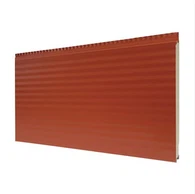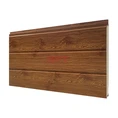
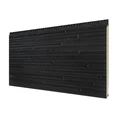
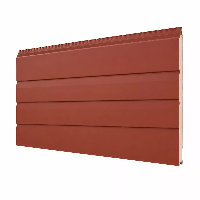
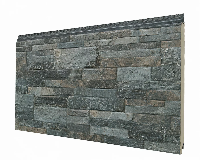


Internal product code:
product specification
|
Product name |
BFT external Polyurethane-UE foam cladding |
|
Thickness |
16mm/20mm |
|
Width |
383cm |
|
Length |
1-6000mm |
|
Material |
Metal+pu Foam+Aluminum Foil |
|
Exodermis |
Galvalume steel plate |
|
Steel coating |
HDP,>30um |
|
Core material |
Polyurethane,40kg/m³ |
|
Closed cell rate |
>95% |
|
Bottom material |
Aluminum foil glass fiber |
|
The thickness of the bottom material |
0.27mm |
|
R-VALUE |
0.55 ㎡*k/w |
|
Heat conductivity |
0.024 w/m*k(in theory) |
|
Certificate |
ISO9001,CE |
|
Fire resistance level |
B1/B2 |
|
Size Tolerance |
-/+2mm |
|
Tensile bond strength |
0.17MPA |
|
Wind load value |
9KPA |
|
Package |
10 pieces/cartons |
|
Package Size |
(0-6000mm)*41mm*170mm(10 pieces/carton) |
|
Container load |
20GP:1600sqm(panel length 1.82m)40HC/HQ : 3800 sqm (panel length:3.8m).40NOR:3300 sqm(panel length:3.8m). |
|
Warranty |
>5 years |
|
After-sale Service |
Online training, online technical support |
|
Port |
QINGDAO\Ningbo\Tianjin |
|
Payment |
L/C\Western Union\D/P\D/A\T/T\MoneyGram |
|
Brand |
BFT |
product structure

BFT external Polyurethane-UE foam cladding is a new type of building material for exterior walls.
BFT external Polyurethane-UE foam cladding is mainly divided into three layers.
The outer layer is a color-coated steel strip, with hot-dip galvanized steel as the substrate.
Steel exposed to the environment will be subject to more corrosion. If it is not protected or isolated from corrosion conditions, the steel will be quickly corroded, and eventually lose its structural strength and cause accidents. The color-coated steel strip using hot-dip galvanized steel strip as the base material is not only protected by the zinc layer, but the organic coating on the zinc layer plays a covering and protective role to prevent the steel strip from rusting, and its service life is longer than that of the galvanized strip, about 1.5 times. The hot-dip aluminum-zinc substrate is plated with 55% AL-Zn, which has excellent anti-corrosion performance, and its service life is more than four times that of ordinary galvanized steel sheets. It is the replacement product for galvanized sheets. Hot-dip galvanized substrate has the following advantages:
(1) It has good durability, and its anti-corrosion ability has a longer service life than galvanized steel sheets;
(2) It has good heat resistance and is less likely to change color at high temperatures than galvanized steel sheets;
(3) Has good heat reflectivity;
(4) It has processing performance and spraying performance similar to that of galvanized steel sheet;
(5) It has good welding performance.
The wall panel is made of a colored paint layer steel belt, using durable polymer (HDP), which has excellent color retention and anti-ultraviolet light performance, excellent outdoor scale inhibitor, good adhesion of the weather-resistant and durable film, and rich colors. It can be sure that the shelf life will not fade for 15-20 years.
The colored steel coil is also called "five-color and six-color steel coil" by many people in the industry because its colors are also very rich and varied.
The core of BFT external Polyurethane-UE foam cladding is rigid polyurethane foam.
It is characterized by:
1. Rigid polyurethane has moisture-proof and waterproof properties. The closed cell rate of rigid polyurethane is above 90%, a hydrophobic material that will not increase the thermal conductivity due to moisture absorption, and the wall will not seep water.
2. Rigid polyurethane is fireproof, flame retardant, and high-temperature resistant. After adding a flame retardant, polyurethane is a kind of flame retardant self-extinguishing material. Its softening point can reach more than 250 degrees Celsius, and it will decompose only at higher temperatures: in addition, polyurethane will burn in its foam when it burns. A carbon deposit forms on the surface, which helps insulate the foam below. Can effectively prevent the spread of flames. Moreover, polyurethane does not produce harmful gases at high temperatures.
3. Due to the excellent heat insulation performance of polyurethane boards, the thickness of the building's outer protective structure can be reduced under the same heat preservation requirements, thereby increasing the indoor usable area. The thermal insulation effect of 10mm thick rigid polyurethane foam is consistent with that of 16mm polystyrene foam, 18mm rock wool, 15.2cm concrete, and 34.4cm brick wall.
4. Strong anti-deformation ability, not easy to crack, stable and safe finish.
5. The porosity structure of the polyurethane material is stable, basically a closed-cell structure, which not only has excellent thermal insulation performance but also has good freeze-thaw resistance and sound absorption. The average lifespan of the rigid polyurethane foam insulation structure can reach more than 30 years under normal use and maintenance conditions. It can be achieved that under normal use conditions during the life of the structure, it will not be damaged under dry, wet, or galvanic corrosion, as well as due to external factors such as insects, fungi, or algae growth or damage by rodents.
6. Rigid polyurethane has low thermal conductivity and good thermal performance.
7. The overall cost performance is low. Although the unit price of rigid polyurethane foam is higher than that of other traditional insulation materials, the increased cost will be offset by the substantial reduction in heating and cooling costs.
The rigid polyurethane foam used in BFT wallboard has a density of 40kg/m3 and a thermal conductivity of only 0.018~0.024w/(m.k), which is about half of that of EPS and has the lowest thermal conductivity among all insulation materials.
The back of the BFT wallboard uses glass fiber aluminum foil cloth, which is essentially different from ordinary aluminum foil.
Common aluminum foil paper refers to paper made of thin aluminum foil backing paper and aluminum foil paper. Aluminum foil does not rebound after deformation. Easy to characterize, ensure shading, no falling, no light transmission, no pollution, and cheap price.
The common glass fiber aluminum foil cloth is composed of aluminum foil, glass fiber fireproof cloth, and hot melt. The surface of glass fiber aluminum foil cloth is smooth and flat, with high light reflectivity, high vertical and horizontal tensile strength, airtight, watertight, and good sealing performance. It has a high shielding rate, strong material toughness, and low price.
Glass fiber aluminum foil cloth is mainly used indoors as thermal insulation material for heating and cooling equipment pipes, sound-absorbing and sound-insulating materials for buildings, the outer sheath of rock wool and ultra-fine glass wool, and plays the role of flame retardant, heat insulation, and sound absorption.
Aluminum foil paper will be corroded in humid air and form a metal oxide film, while aluminum foil cloth has better corrosion resistance. Aluminum foil cloth has stronger abrasion and tear resistance, it is relatively more durable and heavy-duty than aluminum foil paper. Aluminum foil cloth is generally thicker, so it is more suitable for covering large areas, and it can prevent the penetration of water, dirt, and odor very well. In addition, because it is relatively thick, it can insulate heat well and is suitable for cold storage and preservation of food.
Product Fire Rating
Rigid polyurethane foam fire rating standard:
1>B1 level, the oxygen index is greater than or equal to 30, the fire protection factor is the highest, usually used in some hospitals;
2>B2 level, the oxygen coefficient is greater than or equal to 28, and the combustion coefficient is as long as several hours. Some private owners will choose B2 fireproof materials;
3>B3 grade, the oxygen index can reach 26, which is a general fireproof material with high-cost performance and a large number of users.
The rigid polyurethane foam used in BFT external Polyurethane-UE foam cladding generally reaches B2 grade; users can customize products that reach B1 fire protection grade.
Product Category
BFT external Polyurethane-UE foam cladding is available in three categories: wood grain, brick pattern, and flat panel. Let's describe the advantages of each category: wood grain with wood, brick pattern with brick, and flat panel with paint.


Wood Grain with Wood:
The wood grain appearance of BFT external Polyurethane-UE foam cladding imitates the texture and feel of real wood, offering the following advantages:
Natural aesthetics: The wood grain appearance adds warmth and a natural feel to buildings, harmonizing with the surroundings.
Lightweight material: Compared to actual wooden boards, Polyurethane-UE foam cladding is lighter, making it easier to transport and install.
Durability: Wood grain Polyurethane-UE foam cladding exhibits excellent weather resistance and corrosion resistance, maintaining its beauty over time without frequent maintenance.


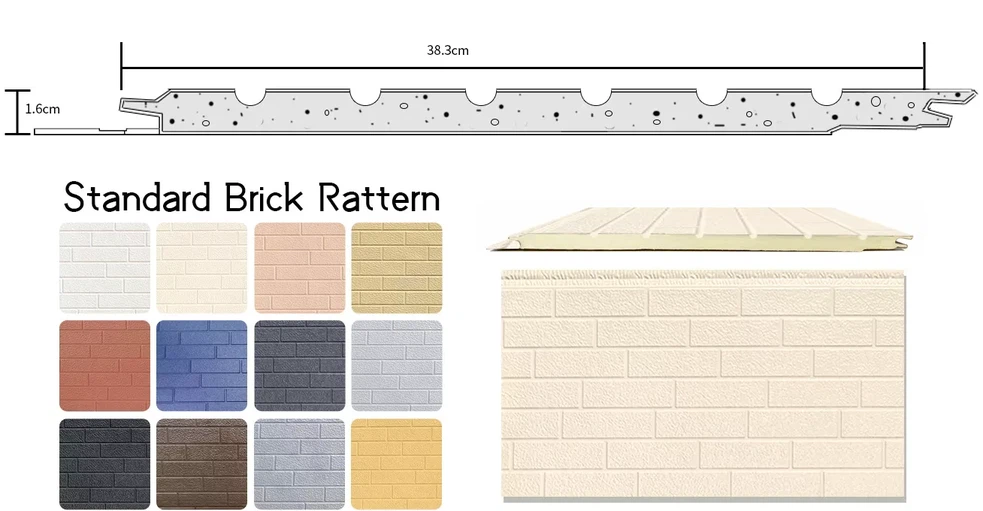
Brick Pattern with Brick:
The brick pattern appearance of BFT external Polyurethane-UE foam cladding simulates the texture and feel of actual brick walls, providing the following advantages:
Cost-effective: Compared to real brick walls, brick pattern Polyurethane-UE foam cladding is more economical, saving on material and construction costs.
Lightweight material: Brick pattern Polyurethane-UE foam cladding is lighter than actual brick walls, reducing the load on the building.
Thermal insulation: Polyurethane-UE foam cladding offers good insulation properties, enhancing the energy efficiency of the building.

Flat Panel with Paint:
The flat panel appearance of BFT external Polyurethane-UE foam cladding features a smooth surface suitable for decorative treatments like painting, and offers the following advantages:
Strong decorative appeal: Flat panel Polyurethane-UE foam cladding allows for various colors and coating options, providing a wide range of decorative choices for the building.
High level of flatness: The surface of flat panel cladding is exceptionally smooth, imparting a modern and minimalist aesthetic.
Durability: Flat panel Polyurethane-UE foam cladding exhibits weather resistance and corrosion resistance, maintaining its attractive appearance over an extended period, even after painting.
These different types of BFT external Polyurethane-UE foam cladding offer diverse options in terms of appearance and characteristics, catering to various architectural styles and design requirements.
Accessories

When it comes to the installation of sandwich panels, a range of accessories are available to enhance the process and performance. These accessories include starters, closures, joints, corner trims, and door/window kits. Each of these components serves a specific purpose and offers unique advantages in relation to sandwich panels.
Starters:
Starters are essential components used to initiate the installation of sandwich panels. They provide a secure foundation and level surface for the panels, ensuring a proper start to the installation process.
Advantages:
Ensures a stable base for the sandwich panel installation.
Facilitates accurate alignment of the panels.
Enhances overall installation stability.
Closures:
Closures are designed to seal the edges of sandwich panels during installation. They are placed between the panel edges and the adjacent structures, such as walls or roofs, to create a tight and secure seal.
Advantages:
Prevents the infiltration of moisture, wind, and debris into the building.
Enhances thermal and acoustic insulation properties.
Improves overall weatherproofing and energy efficiency.
Joints:
Joints are used to connect adjacent sandwich panels during installation. They are installed at the vertical seams between panels, providing structural integrity and continuity.
Advantages:
Enhances overall strength and stability of the sandwich panel system.
Minimizes air infiltration and heat loss at panel joints.
Improves load-bearing capacity and resistance to external forces.
Corner Trims:
Corner trims are utilized to protect and finish the external corners of sandwich panels. They are installed at the outer edges of the panels to offer durability, impact resistance, and a visually appealing appearance.
Advantages:
Guards vulnerable corners of sandwich panels against damage.
Enhances structural integrity and longevity of the panels.
Provides a neat and professional finish to the building's exterior.
Door/Window Kits:
Door/window kits are specifically designed for installing and sealing doors or windows within sandwich panels. They ensure a proper fit, weatherproofing, and seamless integration of openings.
Advantages:
Facilitates the installation of doors and windows in sandwich panel structures.
Provides effective sealing against air and water infiltration.
Enhances the overall appearance and functionality of openings.
the accessories for sandwich panels, including starters, closures, joints, corner trims, and door/window kits, offer significant advantages in terms of stability, sealing, structural integrity, protection, and aesthetic enhancement. They play a crucial role in ensuring the successful installation and performance of sandwich panel systems in buildings.
INSTALLATION

The installation of BFT external Polyurethane-UE foam cladding typically involves the following steps:
Preparation: Before beginning the installation, ensure that the exterior surface of the building is clean, smooth, and free from any obstructions. Check that the building meets the structural requirements and load-bearing capacity for installing the cladding.
Installation of the framework: Install a suitable metal or wooden framework on the exterior surface of the building according to the design requirements. This framework will provide support for the Polyurethane-UE foam cladding panels.
Installation of the protective layer: Apply an appropriate protective layer, such as a moisture barrier, to the exterior surface of the building to prevent water penetration into the structure.
Fixing the cladding panels: Secure the BFT external Polyurethane-UE foam cladding panels onto the installed framework. Use the appropriate fixing system, such as bolts, screws, or adhesives, to firmly attach the panels to the exterior wall.
Joint treatment: Address the joints between the panels to ensure a tight and seamless finish. Fill the joints with sealant or special joint strips to ensure waterproofing.
Detailing: Pay attention to covering details such as windows and door openings to maintain consistency in appearance and waterproofing performance.
Regular maintenance: After installation, regularly inspect and maintain the BFT external Polyurethane-UE foam cladding. Clean the surface to remove dirt and debris and check for any damaged areas that may require repair or replacement.
It is important to follow relevant safety regulations and adhere to the installation guidelines provided by the manufacturer during the installation process. For complex or large-scale installation projects, it is advisable to seek assistance from professional construction teams to ensure proper installation and optimal performance.
Product advantages

Polyurethane Foam Core: The cladding panels are constructed with a core made of polyurethane foam. Polyurethane foam is a lightweight and highly insulating material that helps improve the thermal efficiency of buildings. It provides excellent heat insulation, reducing energy consumption and enhancing indoor comfort.
UE Technology: BFT external Polyurethane-UE foam cladding incorporates unique UE (Ultraviolet & Environmental) technology. This technology enhances the cladding's resistance to ultraviolet (UV) radiation, weathering, and environmental factors. It ensures the cladding maintains its color stability, durability, and overall performance over time.
Insulation Performance: The polyurethane foam core of BFT cladding provides exceptional thermal insulation. It helps to regulate interior temperatures by minimizing heat transfer through the building envelope. This insulation property contributes to energy savings and a more comfortable living or working environment.
Durability and Weather Resistance: BFT external Polyurethane-UE foam cladding is designed to withstand various weather conditions and environmental challenges. The UE technology protects the cladding from UV radiation, moisture, temperature fluctuations, and other external factors. This ensures the cladding retains its structural integrity, color, and appearance over an extended period.
Aesthetic Appeal: BFT cladding offers a wide range of design options and finishes to enhance the visual appeal of buildings. It is available in various colors, textures, and patterns to suit different architectural styles and preferences. The cladding panels can be customized to create a distinctive and attractive exterior facade.
Easy Installation: BFT external Polyurethane-UE foam cladding is designed for ease of installation. The lightweight nature of the cladding panels makes handling and installation more convenient. The panels are typically fixed to the building's exterior using a secure fastening system, providing a seamless and visually appealing finish.
Maintenance and Longevity: BFT cladding requires minimal maintenance due to its durable and weather-resistant properties. It is designed to resist fading, cracking, and deterioration, reducing the need for frequent repairs or replacements. Regular cleaning and inspection are usually sufficient to maintain the cladding's appearance and performance.
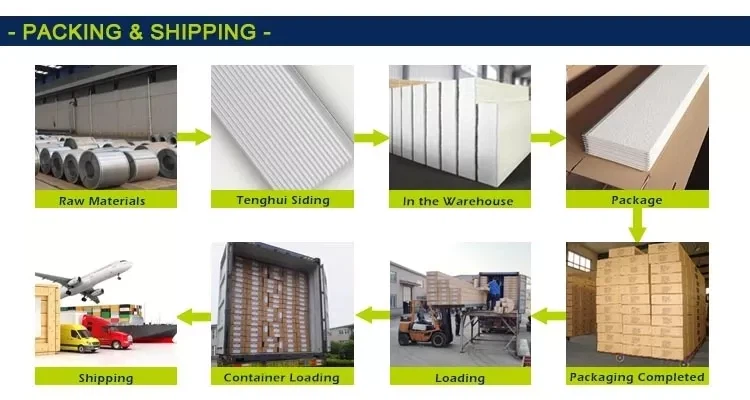
Packing and Shipping
Storage Guidelines:
Describe how to store BFT external Polyurethane-UE foam cladding to maintain its quality and performance.
Emphasize the importance of appropriate storage conditions, including keywords and related terms such as "storage requirements for Polyurethane-UE foam cladding."
Mention the need for a dry, well-ventilated, and stable storage environment, while avoiding extreme temperatures, humidity, and direct sunlight.
Recommend storing the cladding boards vertically using supports or spacers to prevent deformation and damage.
Packaging Suggestions:
Highlight the importance of proper packaging to ensure the safety of BFT external Polyurethane-UE foam cladding.
Incorporate keywords and related terms like "packaging materials for Polyurethane-UE foam cladding" and "secure and stable packaging."
Discuss using plastic film or cardboard boxes to protect the cladding boards from physical damage and moisture intrusion.
Emphasize individually packaging each cladding board and using suitable fillers to secure the packaging and ensure safe transportation.
Transportation Considerations:
Address the transportation requirements and precautions for BFT external Polyurethane-UE foam cladding.
Include keywords and related terms such as "transportation requirements for Polyurethane-UE foam cladding" and "safe transportation measures."
Highlight the need to avoid severe vibrations, oscillations, and temperature fluctuations during transportation.
Emphasize the importance of handling the cladding boards with care, avoiding twisting, bending, or impact, and using appropriate tools and equipment for safe loading and unloading.
Suggest considering purchasing cargo transportation insurance to protect the cladding boards from potential losses in case of unforeseen incidents.
Conclusion:
Summarize the storage, packaging, and transportation guidelines for BFT external Polyurethane-UE foam cladding.
Reiterate the significance of incorporating relevant keywords and related terms.
Remind readers to follow the manufacturer's specific guidance and recommendations to ensure the quality and performance of the cladding boards.
FAQ
Q1: What is your company,a manufacturing or a trading company?
A:Our company was founded in 2021,is a manufacturing and trading company
Q2:What’s your main products?
A:Our main products are corrugated steel sheet,sandwich panels,structural steel,floor deck,We have more than 30 production lines which can produce corrugated steel sheet in various types,,EPS and Rockwool,Glasswool Sandwich panels,any of which we can customize according to your requirements.
Q3:What is the quality assurance you provided and how do you control quality?
A: We ensure product quality through systematic testing with technically advance equipment.Our raw materials only get from large steel companies including Bao Steel Group,GuanZhou Group,YiehPhui(China) We also welcome you to our factory to supervise the manufacture of products.
Q4:Can I get some samples for free?
A: Yes,you can get the samples for free,but you should take the freight charge.
Q5:What payment way you can accept?
A:We can accept T/T
Q6:How can you ensure our order?
A: We have been cooperated with Alibaba on trade assurance.Trade assurance is a service by alibaba designed to creat trust in trade, providing buyers with a set of features and protections to help ensure suppliers honor important details of the contract. If supplier does not meet the shipping time or pre-shipment product quality requirements in the contract, Alibaba.com will refund up to the covered amount for your order. You can choose Trade assurance order.And we also welcome you to our company to check the quantity.
Q7: What are the advantages of light steel house comparing to the traditional building?
A: Better isolation of sound and heat,Better fireproof and anti-seismic,Wind resistance,Time and labour saving,More usable area,Excellent termite-proof capability.
Hot Tags: bft external polyurethane-ue foam cladding, China bft external polyurethane-ue foam cladding manufacturers, suppliers, factory, sandwich panel fire, puf sheet roofing, modern vertical metal siding, gypsum sandwich panel, corrugated perspex roofing sheets, steel clad siding